What happens after activation? Automist vs. fire sprinklers — damage, insurance, and the mechanics of the difference
Most homeowners ask whether their fire protection system will extinguish a fire. A more useful question is: what condition is the home in afterward? And what happens if the system activates when there is no fire?
These questions highlight important differences between water mist systems like Automist and conventional residential fire sprinklers.
How much water does each system discharge?
A typical NFPA 13D residential sprinkler head is designed to discharge at least 13 gallons per minute (gpm), with many operating between 18 and 26 gpm depending on system design. Once activated, a sprinkler continues to flow until the water supply is manually shut off.
In real situations, the duration of discharge depends on occupancy, response time, and how quickly the system is isolated. A 10 to 15 minute flow period is not uncommon. At 13 gpm, this results in approximately 130 to 200 gallons of water from a single head, often more at higher flow rates or longer durations. This water enters from the ceiling and can spread into walls, floors, insulation, and adjacent rooms.
By comparison, Automist uses approximately 3 gpm of fine water mist, directed at the heat source. The system automatically shuts off once the fire is suppressed.
This represents a substantial difference in water usage and potential impact on the home.
Documented residential Automist activations
Three real-world residential incidents illustrate how the system performs:
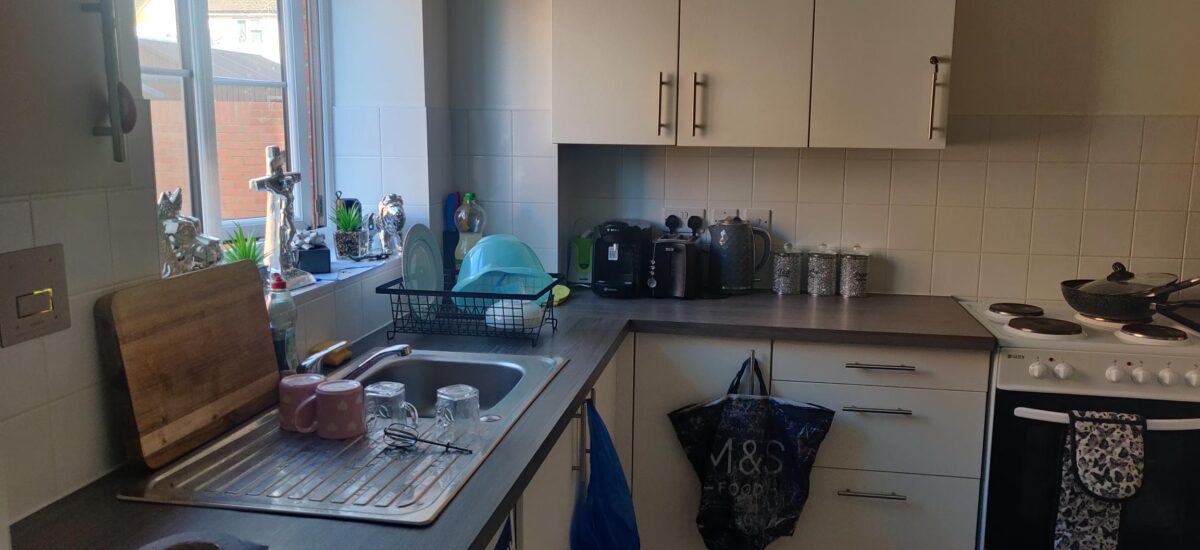
December 2022 — stovetop fire
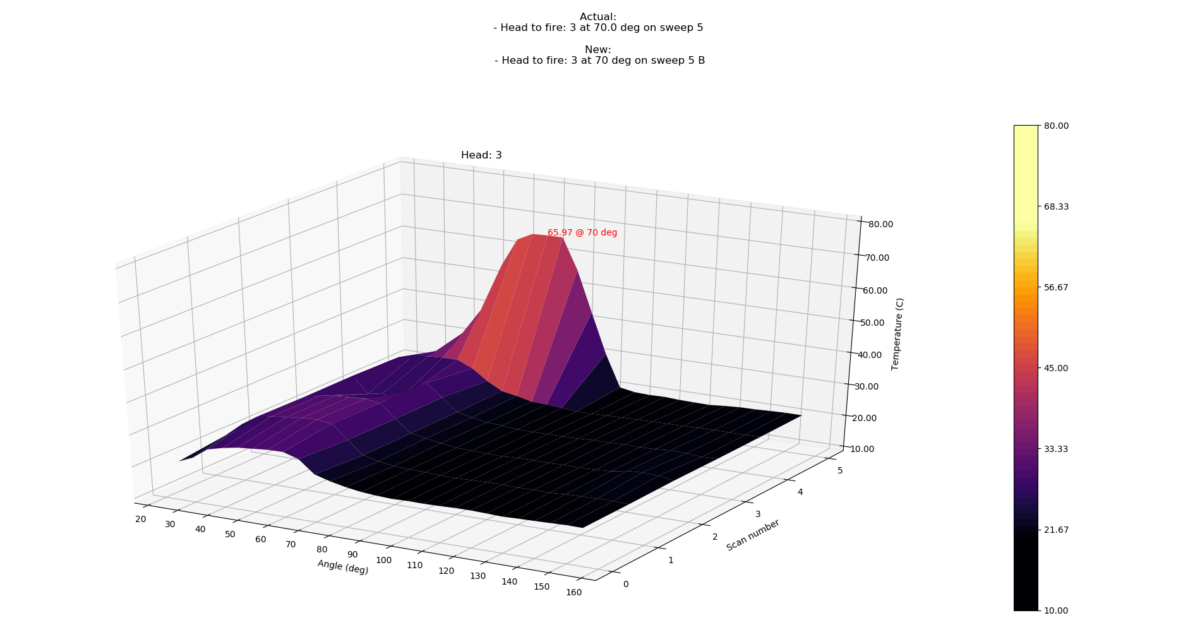
A small kitchen fire was extinguished so quickly that the tenant did not report it. During a later inspection, no visible fire or water damage was found. System logs confirmed that the fire had been detected and suppressed rapidly. No repairs were required.
June 2023 — oil pan fire
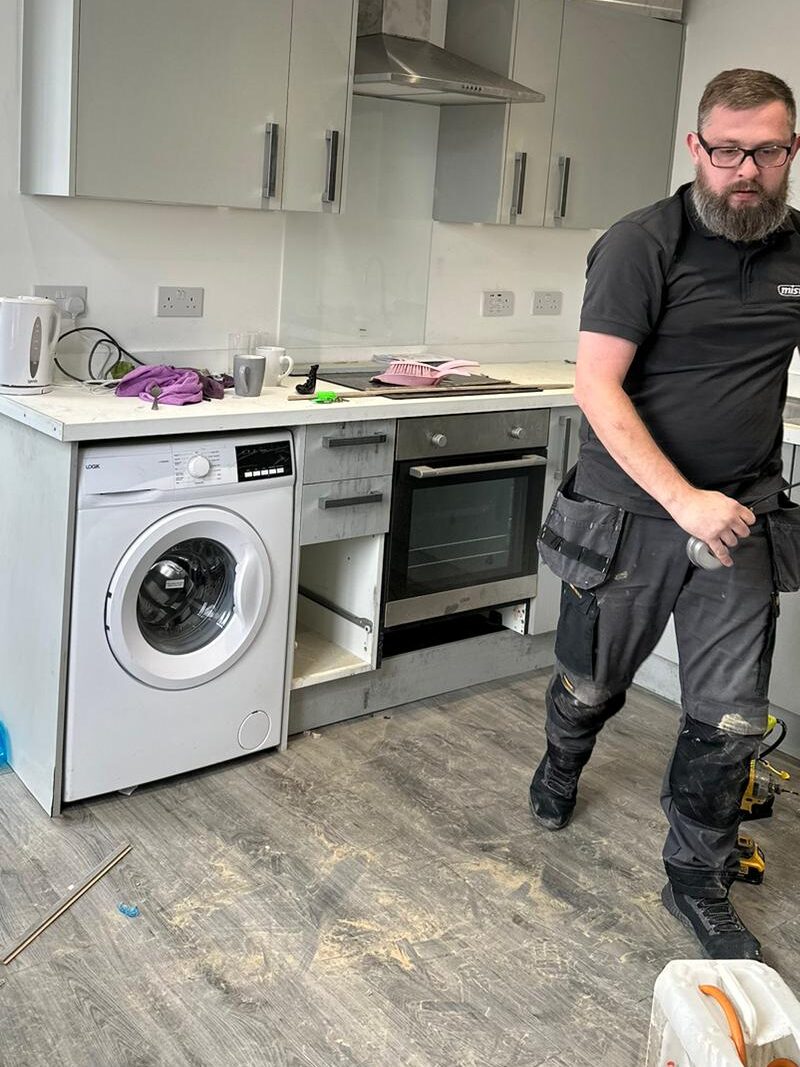
A fast-developing cooking oil fire was confirmed and suppressed within 21 seconds of smoke detection. Damage was limited to a single cabinet door, and the kitchen was usable the same day.
April 2024 — oil pan fire
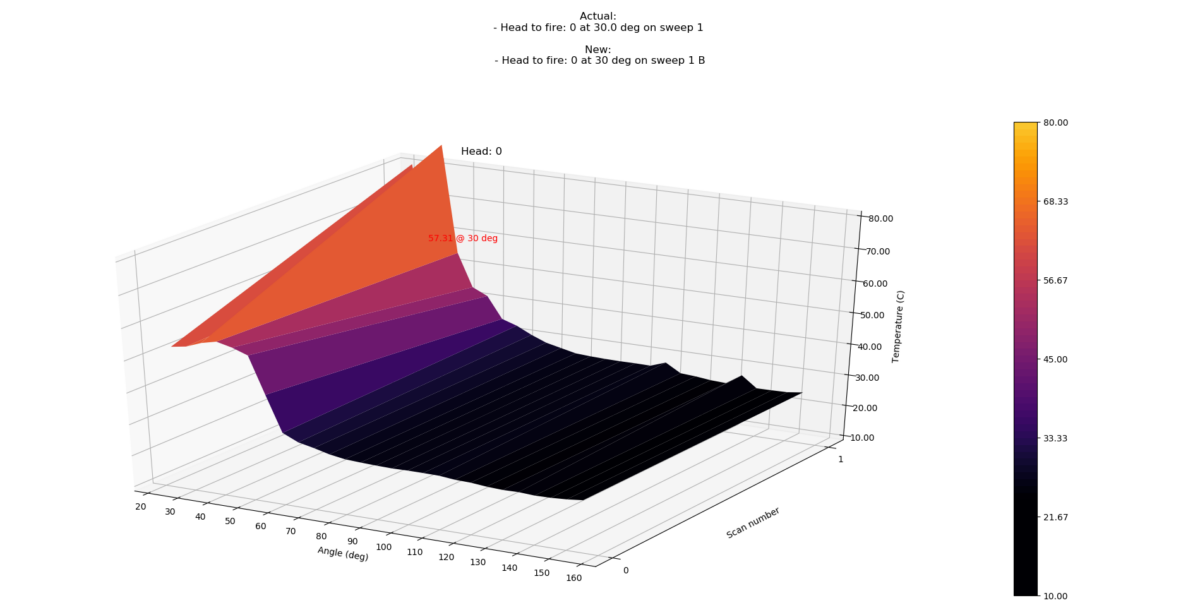
The system detected rising temperatures and activated while the occupant evacuated. The fire was extinguished automatically, and the system shut off. Damage was confined to the immediate area of origin.
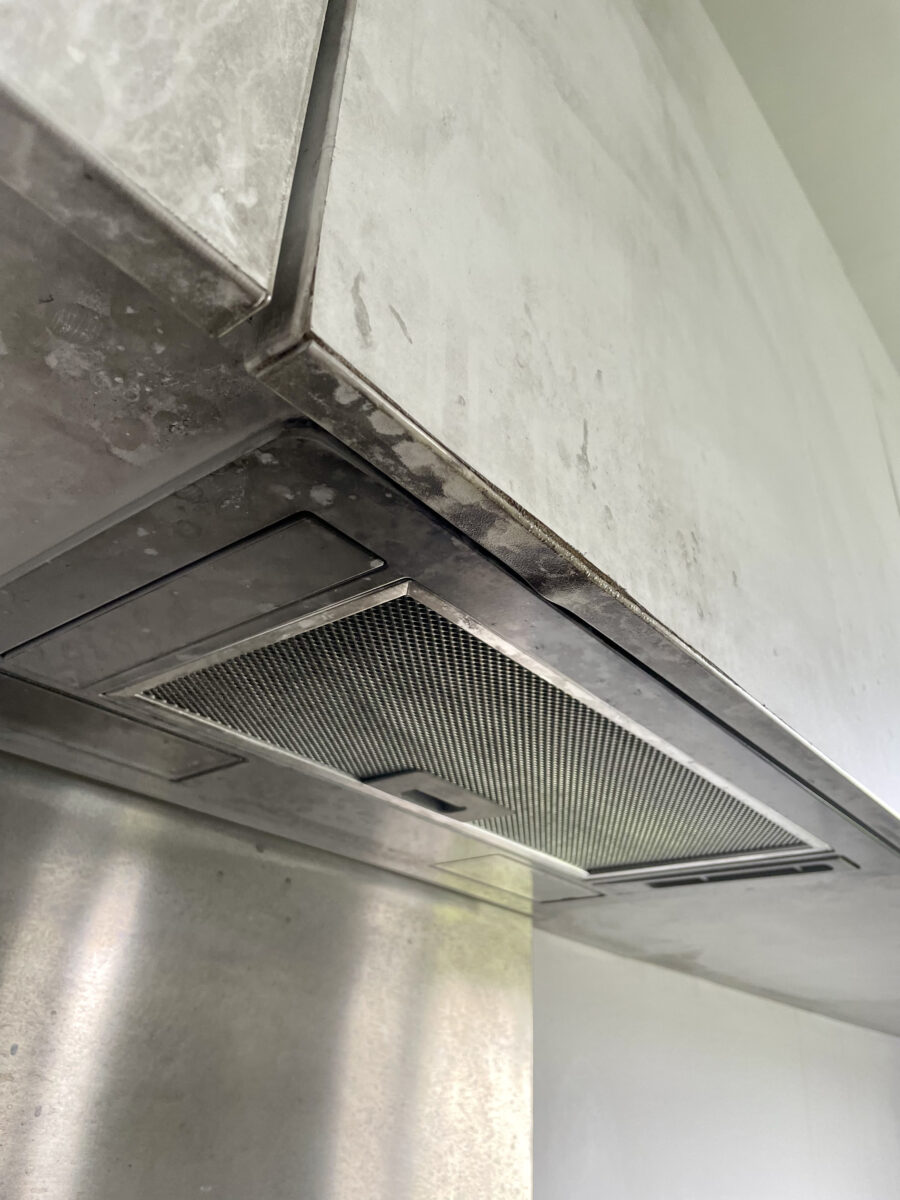
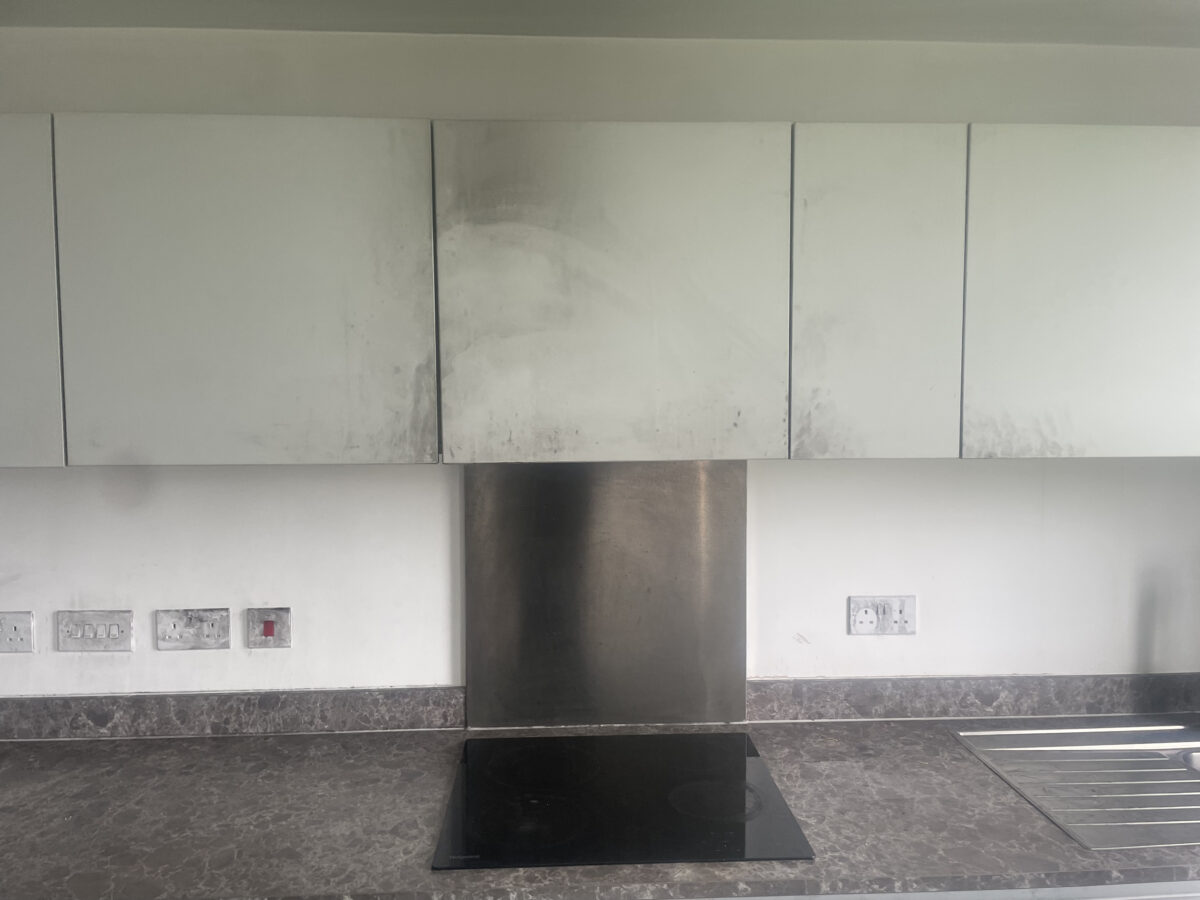
Across these events, the fires were controlled without major structural damage or extended displacement of occupants.
What happens during a fire sprinkler activation in a home?
Residential sprinklers are effective at controlling fires. However, they operate by distributing water broadly across a space once a heat threshold is reached.
A sprinkler head does not detect the location of the fire. Instead, it releases water across the room until temperatures drop. This means water is applied not only to the fire, but also to surrounding surfaces such as ceilings, cabinets, flooring, and contents.
Because activation depends on heat buildup at the ceiling, the fire has typically already grown beyond its earliest stage by the time the sprinkler operates. This is why post-incident images of sprinkler-controlled fires often show more developed burning at the source, even though the fire was ultimately contained.
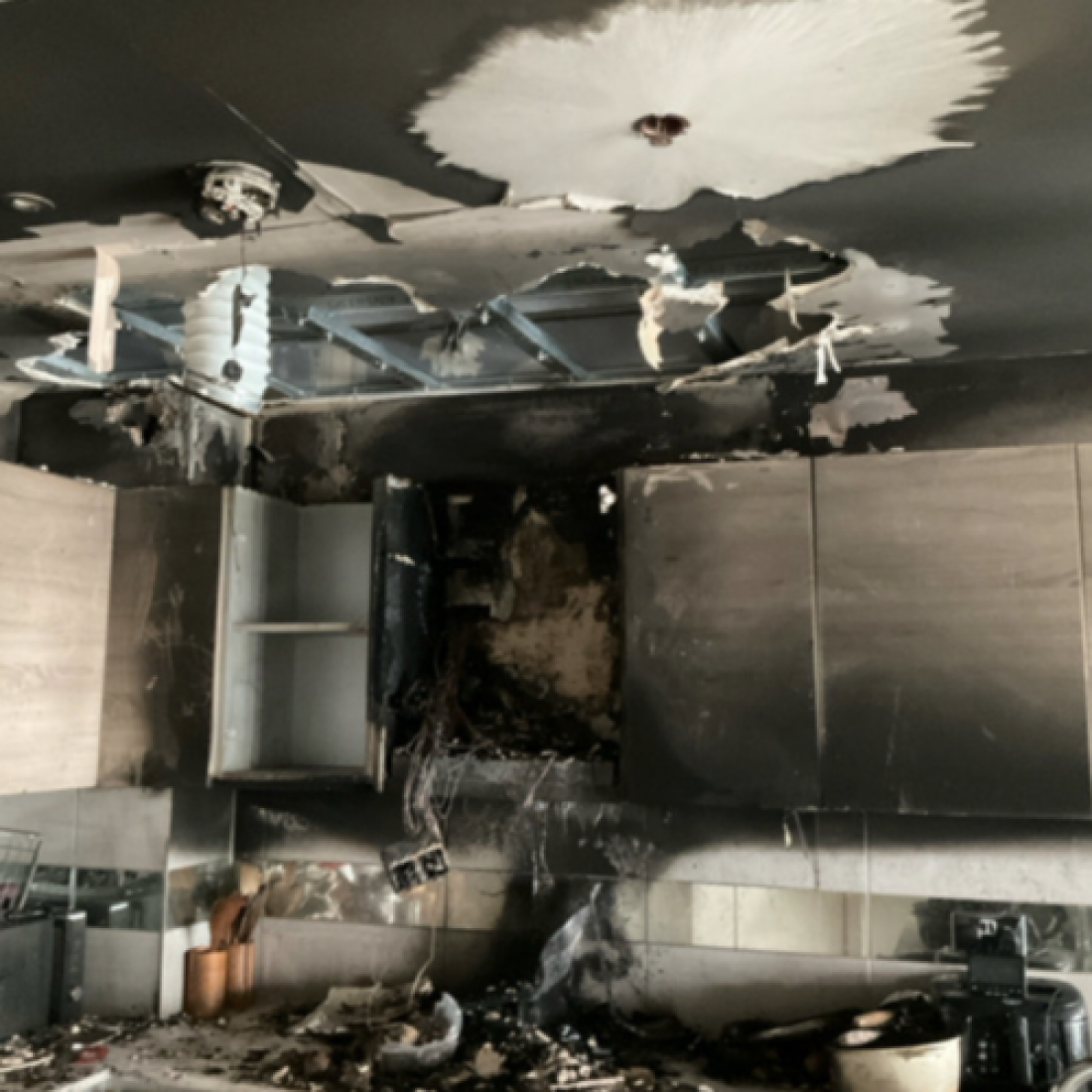
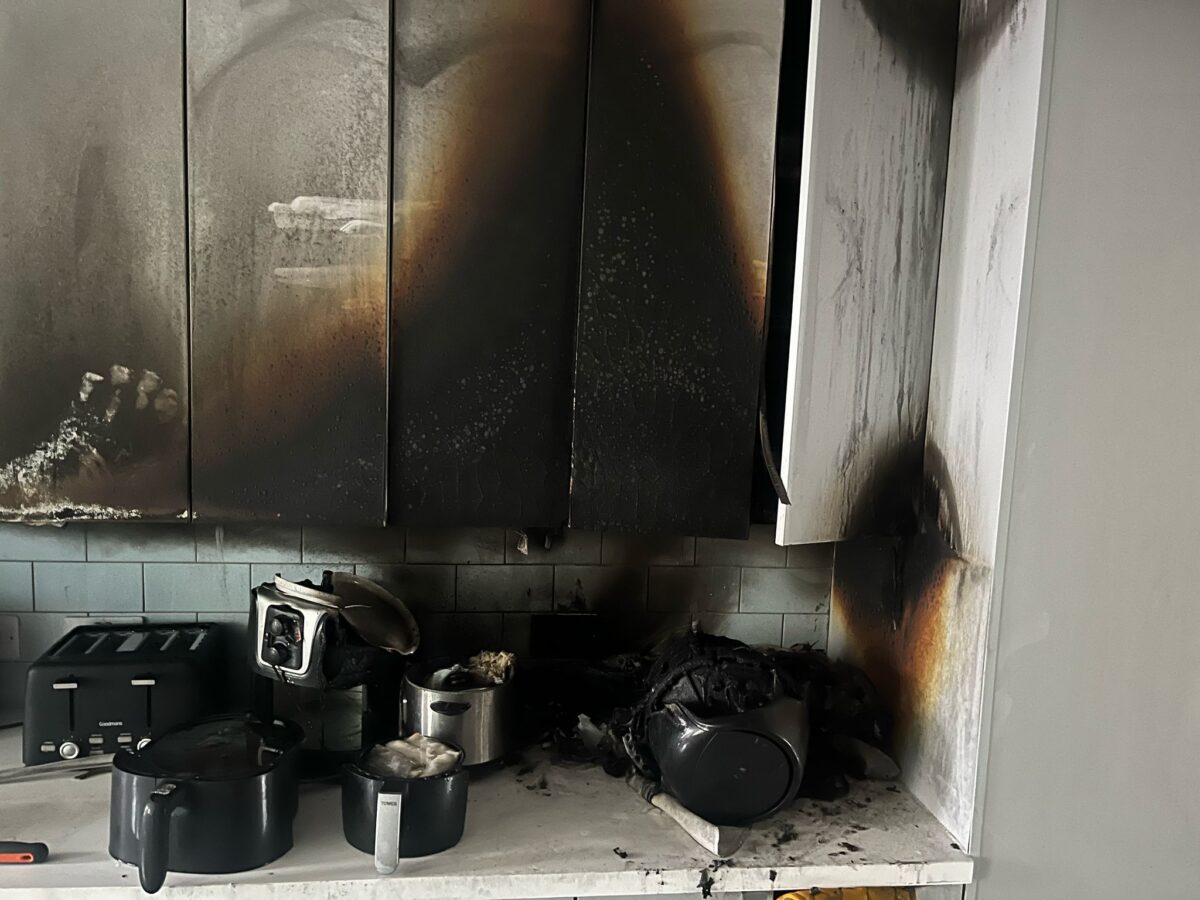
As a result, even when a fire is successfully controlled, it is common to see secondary effects such as:
- Ceiling and drywall damage
- Water accumulation in floors and lower levels
- Damage to cabinetry and finishes
- Saturation of insulation and hidden cavities
- Potential mold risk if drying is delayed
In multi-storey homes, water can travel between floors, increasing the extent of repairs. Temporary relocation during restoration is often required.
Can a sprinkler activate without a fire?
Residential sprinklers are mechanical devices that activate when a heat-sensitive element reaches a set temperature (typically around 155 to 165°F) or is physically damaged. They do not distinguish between fire and other sources of heat or impact.
Potential causes of unintended activation include:
- Physical damage: Impact from objects such as ladders, furniture, or stored items
- Heat exposure: Installation near heat sources like lighting fixtures, appliances, or poorly ventilated spaces
- Freezing conditions: Water-filled pipes in unheated areas can freeze, expand, and rupture, leading to discharge upon thawing
- Component aging or defects: Over time, parts may degrade or fail
These risks are relatively low but not zero, and they are part of the overall system profile considered in design and insurance.
Systems that incorporate detection and control logic are designed to address some of these pathways differently. For example, water mist systems such as Automist require a two-step verification process, confirming the presence of a real fire condition before discharge. This reduces the likelihood of activation due to impact or non-fire heat sources. In addition, Automist uses a dry pipe configuration, meaning water is not stored in the pipework under normal conditions, which removes the risk of freeze-related pipe failures.
As a result, the likelihood and causes of unintended discharge can differ depending on the system design, even though all systems are engineered with safety and reliability as a priority.
Insurance considerations
Water damage from fire suppression systems is generally covered under standard homeowners insurance policies as a “sudden and accidental discharge”, whether it results from extinguishing a fire or an unintended activation.
From an insurance perspective, sprinkler-related claims typically fall into two categories:
Fire-related activation
The system operates as intended and controls the fire, but often causes significant secondary water damage. These claims commonly involve drying, repair, and sometimes temporary relocation. In practice, even small fires can lead to substantial insurance claims due to the volume and duration of water discharge.
Non-fire discharge
These events occur without a fire and are usually linked to freezing, mechanical failure, or accidental damage. Water and freezing incidents are among the most common homeowner insurance claims, and sprinkler-related losses are typically grouped within this category when they occur.
Insurance coverage generally applies in both cases, although exclusions may apply if the cause is linked to poor maintenance or gradual deterioration.
From a risk perspective, insurers evaluate both frequency (how often claims occur) and severity (how costly they are). Residential sprinkler claims are typically low frequency but can be high severity due to the volume of water released and the time required to stop flow.
Water mist systems, which use lower volumes of water and shorter discharge durations, may result in a different loss profile, particularly in terms of reduced water damage severity. However, insurance treatment is not yet standardised and can vary by insurer, region, and available performance data.
Key takeaway
Both sprinklers and water mist systems are designed to improve fire safety in the home. The primary difference lies in how they apply water and the potential secondary effects on the building.
Conventional sprinklers use higher volumes of water applied broadly, which can lead to more extensive water-related damage even in small fires. Water mist systems, like Automist, use lower volumes, applied directly to the fire, which will likely reduce the overall impact on the home.
For homeowners, understanding these differences can help inform decisions about fire protection systems and how they align with priorities such as property protection, water use, and recovery after an incident.
Possibly. While insurance discounts or “policy credits” are determined on a case-by-case basis, Automist has already been used successfully to secure coverage and lower premiums for high-value homes — especially in wildfire-prone areas and PPC 10 risk classifications where traditional coverage is increasingly difficult to obtain.
As insurers tighten underwriting criteria due to rising wildfire risk and water damage claims, automatic discounts for standard fire suppression systems are becoming less common. However, Automist stands out as an innovative loss mitigation solution — not only by reducing fire damage, but also by minimizing the risk of excessive water damage, which is a major cost concern for insurers.
Learn moreTraditional fire sprinkler quotes often exclude the cost of upgrading your water supply, which is why total costs can increase significantly. While the sprinkler system itself may cost as little as $5,000–$6,000, water utilities may require a larger meter to meet the system’s flow demand, adding both upfront installation fees and possible ongoing monthly charges. Depending on the property and infrastructure, these additional costs can range from a few thousand dollars to much higher in complex cases. Automist operates at significantly lower flow than conventional sprinklers – a standard domestic meter can handle the demand without upsizing.
Learn moreYes. Automist can be used as an alternative to an NFPA 13D fire sprinkler system in one- and two-family dwellings, where permitted by the local Authority Having Jurisdiction (AHJ). Automist is a UL 2167A Listed water mist fire suppression system, designed and installed in accordance with NFPA 750 and the manufacturer’s Design, Installation, Operation and Maintenance Manual (DIOM).
Learn more